
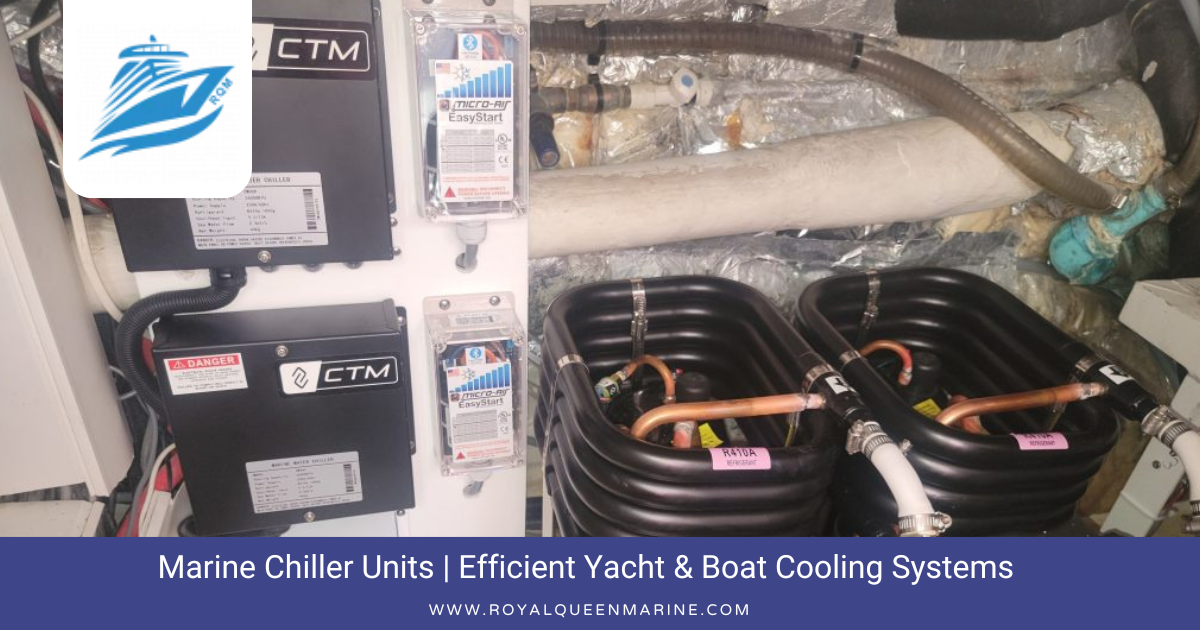
Sailing on open waters is one of the most exhilarating experiences, but anyone who has spent long hours at sea understands the importance of comfort. When it comes to maintaining a pleasant onboard environment, a marine chiller unit plays a vital role. These units are at the heart of a yacht or boat’s climate control system, ensuring consistent cooling in cabins, lounges, and other areas of the vessel. Whether you’re on a luxury yacht or a commercial ship, investing in a high-quality marine chiller system is essential for both comfort and performance.
In this comprehensive guide, we’ll explore everything you need to know about marine chiller units, from their working principles and benefits to maintenance tips and energy-efficient solutions.
What is a Marine Chiller Unit?
A marine chiller unit is a type of cooling system designed specifically for boats, yachts, and other marine vessels. Unlike traditional residential or commercial air conditioning systems, marine chillers are engineered to operate in harsh saltwater environments while maintaining efficient performance.
The system works by circulating chilled water through insulated piping. This chilled water is then distributed to individual air handlers located throughout the vessel. The result is a reliable and even cooling effect in multiple cabins and compartments.
Marine chillers form the backbone of marine air conditioning systems and are often found on mid-size to large yachts, luxury vessels, and commercial ships.
Why Marine Chiller Units Are Essential for Yachts and Boats
Comfort at Sea – Long voyages become enjoyable when the onboard climate remains cool and comfortable, especially in tropical regions.
Protecting Equipment – Excessive heat and humidity can damage sensitive navigation equipment and electronics. A boat HVAC system helps maintain optimal conditions.
Energy Efficiency – Modern marine cooling solutions services are designed to deliver powerful cooling while consuming less energy, extending the efficiency of onboard generators.
Custom Climate Control – Chiller units allow precise temperature regulation across different areas of the yacht, ensuring personalized comfort for passengers and crew.
How a Marine Chiller Unit Works
The operation of a marine chiller system involves four key stages:
Refrigeration Cycle – The unit uses refrigerant to absorb heat from seawater or freshwater.
Heat Exchange – A marine heat exchanger transfers the absorbed heat out of the vessel.
Chilled Water Loop – Chilled water is pumped through insulated pipes to air handlers located in each cabin.
Air Distribution – Fans in the air handlers blow cool air into living spaces, creating an efficient onboard climate control system.
This method makes marine chillers more effective than direct expansion systems, particularly for larger vessels.
Types of Marine Chiller Units
1. Self-Contained Marine Chillers
Ideal for smaller boats.
Easy installation and compact design.
Suitable for single or limited cabin cooling.
2. Split Marine Chiller Systems
Condenser and evaporator are separate.
Designed for mid-sized yachts.
Reduced noise in living spaces.
3. Centralized Marine Chiller Systems
The best option for large yachts and superyachts.
One central chiller supplies multiple air handlers across the vessel.
Highly efficient and scalable.
Key Features to Look for in a Marine Chiller Unit
When selecting a marine chiller, consider the following features:
Corrosion Resistance – Saltwater environments require chillers built with stainless steel, titanium, or anti-corrosive materials.
Energy Efficiency – Opt for systems with variable speed compressors and eco-friendly refrigerants.
Quiet Operation – Noise reduction technology ensures passenger comfort.
Smart Controls – Digital monitoring and automation enhance usability.
Compact Design – Space is limited on boats, making compact yet powerful chillers highly desirable.
Secondary Applications: Beyond Comfort
While most yacht owners invest in marine air conditioning systems for comfort, marine chillers also serve technical purposes:
Refrigeration Support – Helps in marine refrigeration systems for storing food and supplies.
Electronics Cooling – Maintains stable conditions for sensitive navigation and communication devices.
Engine Room Ventilation – Supports heat reduction in engine compartments.
Benefits of Installing a High-Quality Marine Chiller
Longevity of Onboard Systems – Proper cooling prevents wear and tear on expensive equipment.
Increased Resale Value – Yachts equipped with efficient marine HVAC systems have higher market value.
Enhanced Passenger Experience – Luxury yacht owners can provide hotel-like comfort to guests.
Environmental Compliance – Modern chillers use eco-friendly refrigerants, aligning with sustainability goals.
Maintenance Tips for Marine Chiller Units
To maximize performance and lifespan, follow these maintenance best practices:
Regular Cleaning – Clean seawater strainers and filters to avoid blockages.
Check Refrigerant Levels – Low refrigerant reduces cooling efficiency.
Inspect Pumps & Valves – Ensure proper water circulation in the chilled water loop.
Descale Condenser Coils – Saltwater buildup can cause corrosion if not addressed.
Annual Professional Servicing – Have certified marine HVAC technicians perform inspections and tune-ups.
A well-maintained marine chiller system not only performs better but also reduces unexpected breakdowns during voyages.
Choosing the Right Marine Chiller Unit
When deciding on a unit, consider:
Boat Size & Layout – Larger yachts require centralized systems, while smaller vessels can rely on self-contained units.
Power Supply – Ensure compatibility with your onboard generator and electrical system.
Cooling Capacity – Match BTU ratings to your vessel’s cooling requirements.
Budget & Brand Reputation – Invest in trusted marine HVAC brands for reliability.
The Future of Marine Chiller Technology
Advancements in marine HVAC technology are shaping the future of onboard cooling:
Smart Monitoring – IoT-enabled systems allow real-time monitoring via smartphones or onboard displays.
Green Refrigerants – Eco-friendly refrigerants reduce environmental impact.
Variable Frequency Drives (VFDs) – Improve efficiency by adjusting compressor speeds.
Lightweight Materials – Innovations in compact design save valuable onboard space.
As the yachting industry embraces sustainability, future marine chiller units will be quieter, smarter, and more energy-efficient.
FAQs
Q1: What is a marine chiller unit and how does it work?
A marine chiller unit is the core of a vessel’s air conditioning system. It cools water and circulates it to air handlers throughout the boat, providing efficient and consistent onboard climate control.
Q2: What are the benefits of installing a marine chiller system on a yacht?
Installing a marine chiller improves onboard comfort, protects sensitive electronics, enhances vessel resale value, and ensures energy-efficient cooling.
Q3: How do I choose the right marine chiller unit for my boat?
Consider your vessel size, power supply, layout, and cooling capacity. Larger yachts require centralized chillers, while smaller boats can use self-contained systems.
Q4: How often should a marine chiller unit be serviced?
Regular cleaning and inspections should be done monthly, with a full professional service at least once a year to ensure peak performance.
Q5: What is the difference between a self-contained and centralized marine chiller system?
A self-contained chiller is compact and ideal for smaller boats, while centralized systems serve larger yachts by powering multiple air handlers across cabins.
Q6: Are marine chiller units energy efficient?
Yes, modern marine chillers use variable speed compressors, eco-friendly refrigerants, and smart monitoring systems to reduce power consumption and increase efficiency.
Conclusion
A marine chiller unit is more than just an onboard luxury—it is a necessity for comfort, equipment protection, and efficient energy use on yachts and boats. Whether you own a leisure yacht or operate a commercial vessel, investing in the right marine cooling system ensures smooth sailing and peace of mind.
From compact self-contained chillers for smaller boats to centralized systems for superyachts, today’s marine chiller technology offers solutions tailored to every need. By choosing a high-quality system and maintaining it properly, you can enjoy reliable performance, greater efficiency, and unmatched comfort at sea.
So, before setting sail, make sure your vessel is equipped with a robust marine chiller unitbecause comfort, safety, and efficiency should never be compromised when you’re out on the open waters.